
Spine surgery covers a wide range, from lumbar decompression to cervical fusion, and recovery timelines vary more here than almost any other body area. Here’s what’s generally true across procedures, and what changes.
How Do Fusion and Decompression Recovery Differ?
A discectomy or decompression removes or trims tissue pressing on a nerve, recovery is often measured in weeks. A spinal fusion permanently joins two or more vertebrae, and the bone itself needs time to fuse, typically 3 to 6 months for solid fusion, even though many patients are up and moving well before that point. Your surgeon’s imaging follow-ups, not a fixed calendar, determine when you’re cleared for full activity.
Is Cervical Recovery Different From Lumbar?
Both involve similar recovery principles, protect the area, manage swelling, follow a staged return to movement, but cervical (neck) surgery typically comes with more specific guidance around sleep position and head movement in the early weeks, since the neck is harder to keep still than the lower back.
Where Does Cold Therapy Fit?
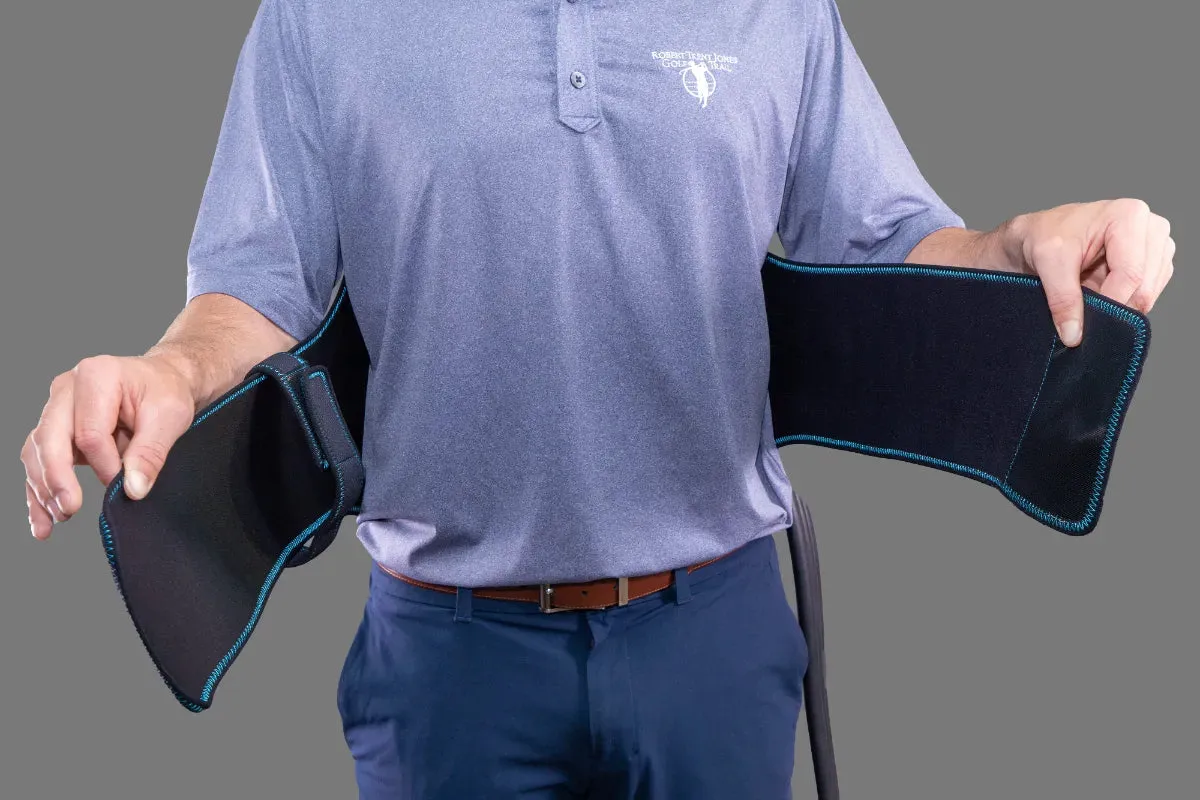
Lying on a frozen towel or repositioning ice packs behind your back or under your neck is impractical, especially early on when movement is restricted. The NICE1 offers two purpose-made wraps: a Lumbar with Straps wrap that secures around the lower back, and a Cervical Upper wrap shaped for the neck. Both hold one of 5 temperature settings (42°F to 58°F) with adjustable compression, for the length of a session, without needing to be held in place.
How Do Wait Times Work in Canada?
Wait times for spine surgery vary widely by province, which is why some patients look into private spine surgery in Canada to reduce the wait. Whichever path you take, delivery of recovery equipment is Canada-wide, arriving two days before your surgery date so it’s ready when you get home.
The spine rental page has wrap details and pricing, and how the NICE1 works covers the settings in full.