
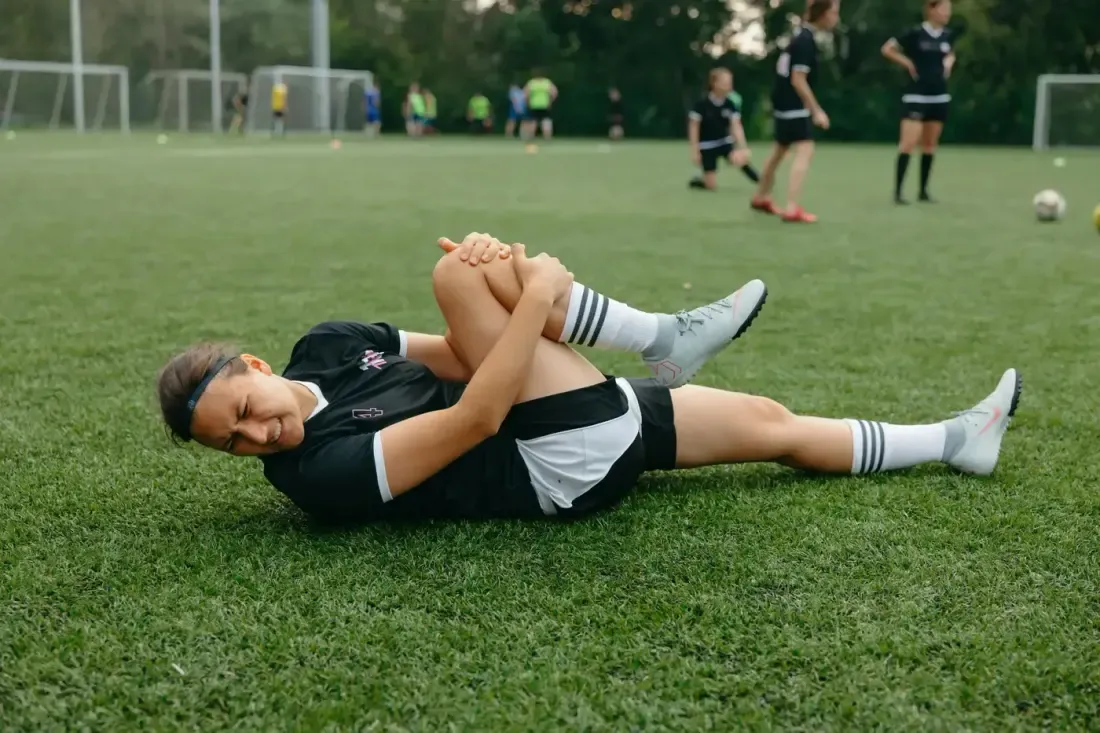
ACL reconstruction has a strange shape as an injury experience: the surgery is a day procedure, the incisions are small, and yet the rehabilitation is one of the longest in orthopaedics. The first six weeks set the foundation for everything after, and they reward people who take the unglamorous jobs seriously.
The usual disclaimer, meant sincerely: protocols differ by surgeon, graft type and whatever else was repaired in there (meniscus work changes the rules substantially). Your surgeon’s protocol beats this guide every time.
The two enemies: swelling and a sleepy quad
Nearly everything in early ACL rehab traces back to two problems.
Swelling is the first. A swollen knee hurts, moves badly, and, the part fewer people know, actively inhibits the quadriceps muscle from firing. Fluid in the joint essentially tells the quad to switch off.
A sleepy quad is the second. That big muscle on the front of your thigh shuts down after knee surgery, and waking it up is rehab job number one. The faster you control swelling, the faster the quad cooperates.
This is why cold therapy after ACL surgery isn’t a comfort measure, it’s part of the plan. And it’s why consistency matters more than intensity: sessions your protocol prescribes, at a temperature that doesn’t drift as the ice melts. (This is the honest case for a machine like the NICE1: you choose a level between 42°F and 58°F and it holds, through a session or overnight, on one cup of water.)
Week 1: protect, elevate, activate
The first week’s checklist is short and repetitive:
- Elevation, foot above heart level, a lot.
- Cold therapy, on the schedule your team gave you.
- Quad sets and heel slides, or whatever early activation your protocol uses. These matter enormously and feel like nothing.
- Extension, many protocols prioritise getting the knee fully straight early. Take that seriously; a knee that won’t straighten is harder to fix later.
You’ll likely be on crutches, possibly in a brace, depending on your surgeon’s approach. Weight-bearing rules vary, follow yours.
Week 2: the machine and the muscle
Swelling usually starts trending down. Physiotherapy gets more structured: range-of-motion targets, quad activation, maybe stationary-bike rocking before full revolutions. Post-exercise swelling is normal, work, then settle the knee down with elevation and cold.
Around now most people discover the difference between “I iced when I remembered” and “cold therapy actually happened as prescribed.” The second group tends to have an easier week three.
Weeks 3–4: walking like a person again
Depending on your protocol, this stretch often brings weaning off crutches, walking-gait work, and more resistance in physio. The knee will tell you when you’ve overdone it, usually with an evening of extra swelling. That’s feedback, not failure. Respond with the same tools.
Extension should be at or near full; flexion keeps climbing. Quad wake-up continues, straight-leg raises without lag are a quiet triumph.
Weeks 5–6: the foundation is poured
By six weeks, many people walk without a limp, manage stairs, and have enough quad control for harder strength work. The graft, meanwhile, is early in its own biological timeline, which is why feeling good at six weeks is not the same as being ready for sport. The months ahead belong to progressive strengthening, then much later to running and agility, then to return-to-sport testing.
The first six weeks decide how smooth that road is. Swelling control, extension, quad activation, boring, repetitive, decisive.
If ACL surgery is coming up, our knee rental page covers how the NICE1 supports this exact recovery, and the rental page explains pricing and delivery before your surgery date.